
Early Signs of Termite Activity in Florida Homes
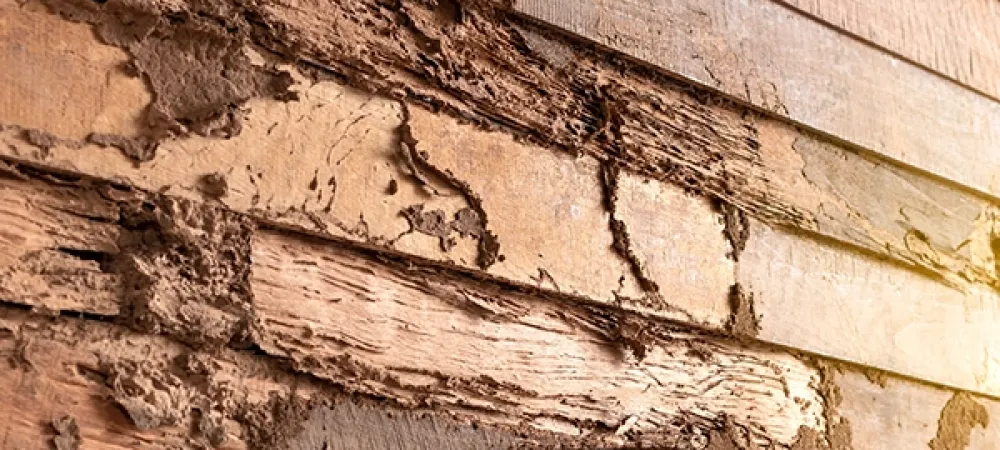
Termites are one of the most difficult household pests to detect early. In Florida, they can remain active year-round and often cause damage long before homeowners realize there is a problem. Knowing the early warning signs is critical for identifying termite activity before it leads to structural concerns.
Key Takeaways
- Termites are difficult to detect early because they live inside wood, soil, and walls, often causing damage long before it becomes visible.
- Early interior signs include hollow-sounding wood, bubbling or blistering paint, tight-fitting doors or windows, and small cracks along trim or baseboards.
- Clear visible signs of termite activity include mud tubes on walls or foundations, discarded wings near windows or doors, small pinholes in wood, and frass that resembles fine sand.
- Exterior warning signs often appear first and include mud tubes along foundations, damage to decks or fences, soil-to-wood contact, and consistently damp areas near the home.
- Termite swarms indicate an established colony, and seeing swarmers indoors suggests termite activity is already nearby or inside the structure.
- Termite damage is commonly mistaken for water damage or carpenter ants, but termite-damaged wood is typically hollowed internally rather than soft or crumbling.
- Early identification limits structural impact, while delayed detection can lead to more extensive damage and repair needs.
- Professional inspections are recommended when mud tubes, discarded wings, repeated swarming, or unexplained wood damage are present.
Why Termites Are Hard to Detect Early
Termites do most of their damage out of sight. Many species live underground or inside wood, feeding from the inside out. Because they avoid light and open air, visible signs often don’t appear until damage has progressed.
Florida’s warm conditions allow termite colonies to remain active for long periods without the seasonal slowdowns seen in other regions. This makes early detection especially important.
Subtle Interior Warning Signs Homeowners Often Overlook
Some of the earliest signs of termite activity are easy to dismiss as normal wear or aging materials:
- Wood that sounds hollow when tapped.
- Bubbling, blistering, or peeling paint that resembles water damage.
- Doors or windows that suddenly stick or no longer close properly due to warped wood.
- Hairline cracks along baseboards, trim, or interior walls.
These signs may seem minor on their own, but together they can point to hidden termite activity.
Visible Evidence Around the Home
Certain signs are more directly associated with termites and should not be ignored:
- Mud tubes running along walls or baseboards.
- Discarded wings near windowsills, doors, or light fixtures.
- Small pinholes or surface damage in wood.
- Fine, sand-like droppings known as frass, which differ from typical sawdust.
Finding any of these indoors often indicates an established colony nearby.
Exterior Signs That Point to Hidden Activity
Termite activity often begins outside the home before spreading inward. Exterior warning signs include:
- Mud tubes along the foundation or exterior walls.
- Damage to wooden fences, decks, or fascia boards.
- Soil-to-wood contact near siding or porch supports.
- Consistently damp areas around the foundation that attract termite activity.
Inspecting these areas regularly can help catch problems earlier.
Termite Swarms and What They Mean in Florida Homes
In Florida, termite swarms often occur after rain or during periods of high humidity, sometimes multiple times a year. Unlike colder regions, Florida’s conditions allow termites to remain active year-round, which means swarming is not limited to a single season.
Seeing termite swarmers inside the home is a strong warning sign. Indoor swarms typically indicate that a mature colony is already established within the structure or directly beneath it, not just nearby outdoors. The swarm itself may last only a few hours, but the colony responsible for it has usually been active for months or longer.
Outdoor swarms near a home can also increase risk, as newly formed colonies may settle in soil around the foundation. However, indoor swarms are especially concerning because they often point to existing structural termite activity, not just potential future exposure.
Termite Damage vs Other Common Issues
Termite damage is often mistaken for other household problems:
- Water damage typically causes soft or crumbling wood, while termite-damaged wood often remains intact on the surface.
- Carpenter ants create smooth, clean tunnels, whereas termites leave rough, layered damage.
- Cosmetic cracks or surface wear usually do not progress rapidly without an underlying cause.
Understanding these differences helps prevent misdiagnosis.
Why Early Detection Matters for Termite Activity
Termite damage does not happen all at once. In Florida homes, colonies can remain active for months or even years before visible damage appears. During that time, termites often feed on structural wood, including framing, subflooring, and support beams, while leaving the surface intact.
Early detection matters because once damage becomes visible, termites have usually already spread beyond a single area. At that stage, repairs are often more involved, and treatment options may be more limited than if the activity had been identified sooner. Identifying termite activity early helps contain damage, focus treatment to affected areas, and reduce the likelihood of structural repairs becoming necessary.
When to Schedule a Professional Termite Inspection
Some signs of termite activity require more than a visual check. A professional termite inspection is recommended if you notice:
- Mud tubes or discarded wings often indicate an established colony.
- Ongoing or unexplained wood damage that cannot be linked to moisture or age.
- Repeated swarming activity, especially indoors or near entry points.
- Areas of the home that are difficult to inspect, such as wall cavities, subflooring, or structural wood behind finished surfaces.
At this stage, a professional inspection helps confirm whether termites are present, identify where activity is occurring, and determine how widespread the issue may be. Deans Services offers termite inspections designed to locate hidden activity and assess risk before damage progresses further, giving homeowners clear next steps based on what is found.